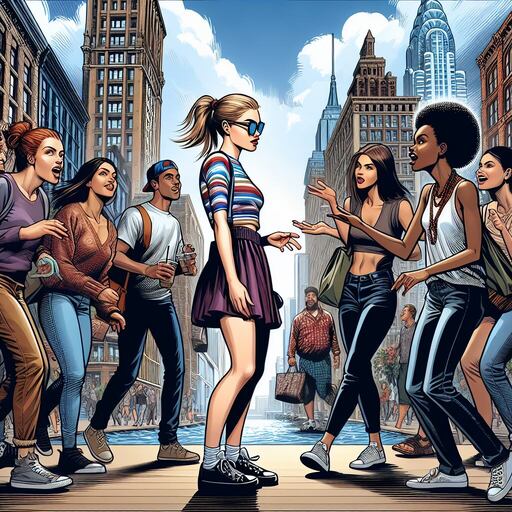
Noodle Legs
Noodle legs means someone's legs look shaky, weak, or wobbly, usually after effort, fear, or a clumsy moment.
People use noodle legs as a joking callout when someone's legs are giving out, trembling, or not cooperating. It can be light teasing after a workout, a scary moment, a long run, or an awkward fail.
The tone is usually playful, not brutal. It paints a visual fast: your legs are acting like cooked noodles instead of holding you up.
Quick Stats
| Stat | Read |
|---|---|
| ⚡Aura Impact | +180 |
| 📈Usage Level | Medium |
| 😬Cringe Risk | Medium |
What People Mean When They Say Noodle Legs
The main meaning is physical: weak, shaky, jelly-like legs. Someone might say it after leg day, after sprinting up stairs, after standing too long, or after nearly wiping out in public.
There's also a broader joke use for bad coordination. If somebody tries a move, folds instantly, and can't stay balanced, noodle legs works as a funny label for that exact flop moment.
How It Sounds in the Wild
This phrase shows up most in texts, gym jokes, sports chatter, and reaction-style comments. It's the kind of thing friends say when somebody's body clearly gave up before their confidence did.
It usually lands best when the weakness is temporary and obvious. Saying you have noodle legs after a hike sounds natural.
Using it as a serious insult for someone's body or fitness level sounds meaner and less funny than the phrase is built for.
Lines That Sound Like Real Life
I tried to walk downstairs after leg day and had full noodle legs.
Bro hit one sprint and got noodle legs before halftime even started.
I was fine until they called my name, then it was straight noodle legs walking up there.
When the Word Turns Corny
Works: After that hill climb, I had noodle legs all the way back to the car.
Avoid: Our company delivers noodle legs solutions for modern business challenges.
Where Noodle Legs Stands Now
Noodle legs is still understandable and still gets used, but it is more casual joke phrase than cutting-edge slang. It stays alive because the image is obvious and funny.
It feels most natural in everyday speech, gym talk, sports posts, and self-drag captions rather than trend-heavy internet slang.